
450,000 IU of vitamin D over 9 weeks given to 100,000 teenage Iranian girls helped their livers
High dose vitamin D supplementation is associated with an improvement in serum markers of liver function
BioFactors https://doi.org/10.1002/biof.1496
Hamidreza Tavakoli Hossein Rostami Amir Avan Mohammad Bagherniya Gordon A. Ferns
Sayyed Saeid Khayyatzadeh [email protected], Majid Ghayour‐Mobarhan [email protected];
📄 Download the PDF from Sci-hub via Vitamin D Life
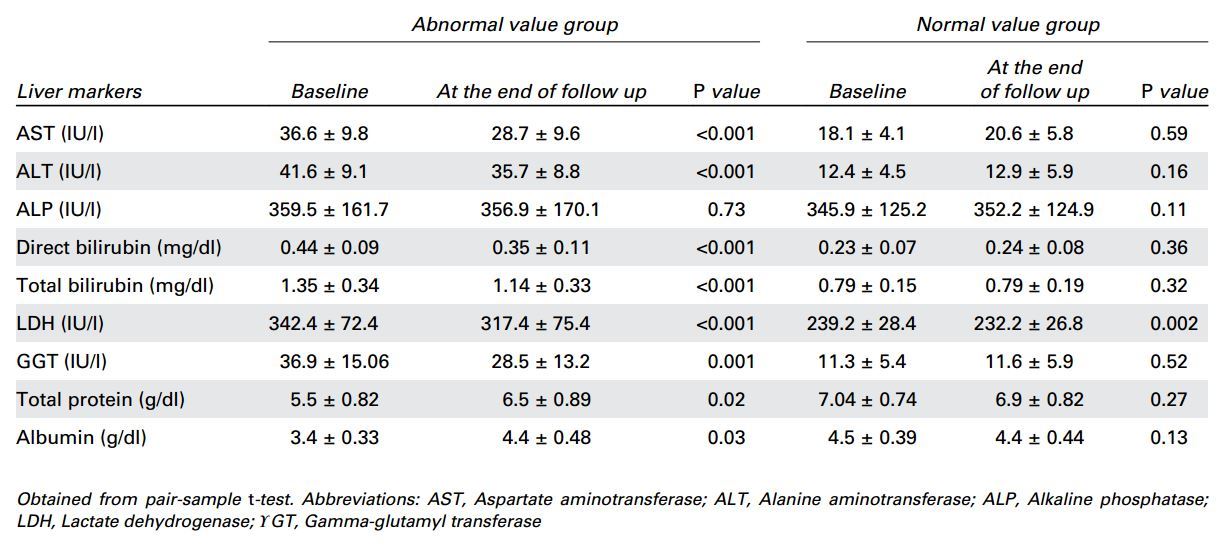
Limited studies have examined the effects of vitamin D on liver enzymes in patients with liver disease but none has explored its effects in the healthy subjects. The aim of present study was to evaluate the effects of a high dose vitamin D supplementation on measures of liver function. A total of 988 adolescent girls were recruited; all were assessed for liver function tests (LFTs) including alanine aminotransferase (ALT), aspartate aminotransferase (AST), lactate dehydrogenase (LDH), gamma‐glutamyl transferase (ϒGT), alkaline phosphatase (ALP), total bilirubin, direct bilirubin, albumin, and total protein before and after supplementation with 50,000 IU cholecalciferol perls. Significant reductions were observed for AST, ALT, direct bilirubin, total bilirubin, LDH, and ϒGT at the end of supplementation, only in the group with abnormal reference value. Serum levels of total protein and albumin were higher at the end of follow up in the group with abnormal value.
No significant change was obtained for LFTs in the group with normal value. Our findings suggest that vitamin D supplementation may improve markers of liver function in adolescents with abnormal LFTs. More randomized controlled trial with longer follow‐up time will be required.