Central Nervous System protection by Vitamin D
Vitamin D in Central Nervous System: Implications for Neurological Disorders
IJMS Volume 25 Issue 14 10.3390/ijms25147809 July 2024
Bayan Sailike,Zhadyra Onzhanova,Burkitkan AkbayO,Tursonjan Tokay and Ferdinand MolnárDepartment of Biology, School of Sciences and Humanities, Nazarbayev University, Kabanbay Batyr 53, Astana 010000, Kazakhstan
Molecular Regulation of the CNS by Vitamin D
Physiol Res 2023 Dec 17;72(S4):S339-S356.
L Máčová 1, R Kancheva, M Bičíková
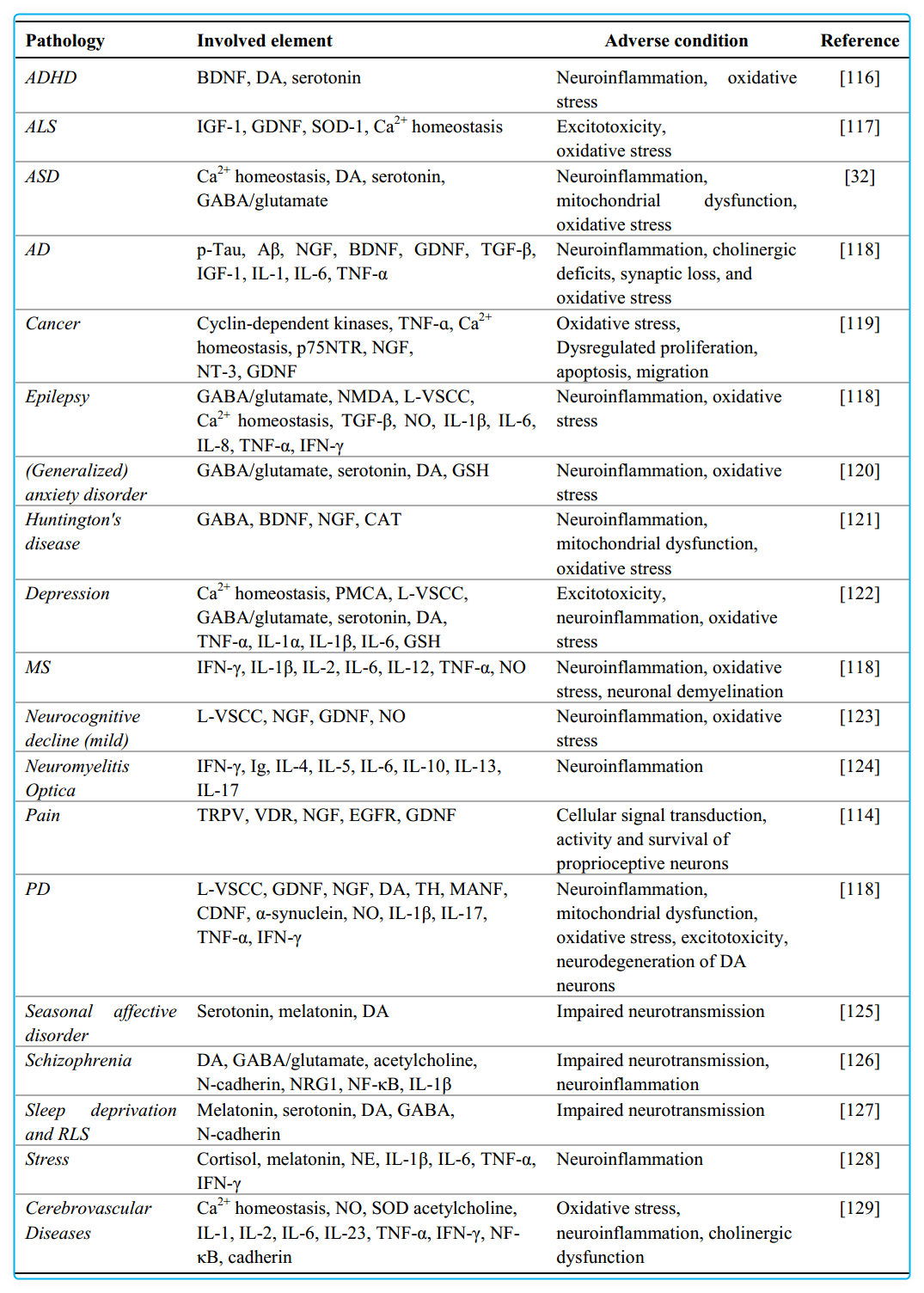
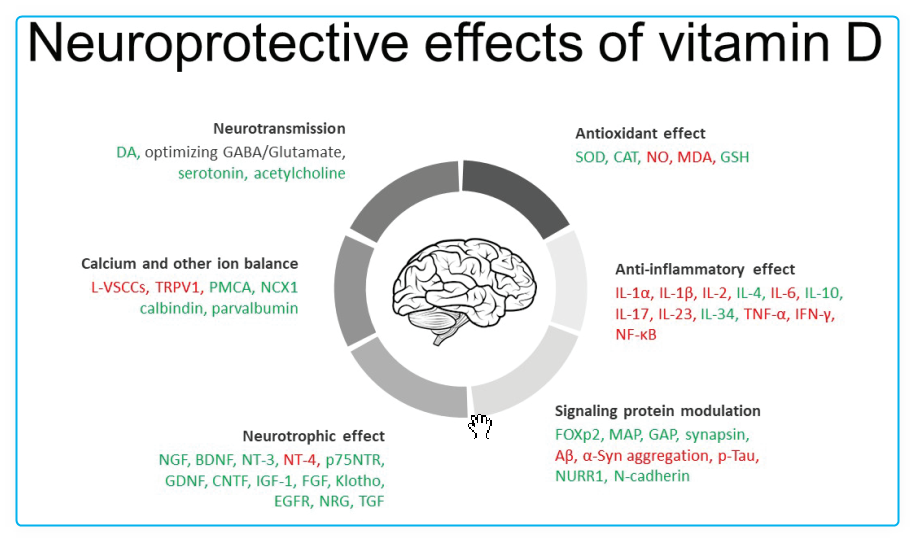
Factors that are up-regulated are marked in green
factors that are down-regulated are in red.
Vitamin D is a lipid-soluble vitamin that can be found in some foods. It is also produced endogenously (in the presence of ultraviolet light), transported through the blood to the targets organs and this is the reason to consider vitamin D as a hormone. It is known that vitamin D has genomic and non-genomic effects.
This review is focused mainly on
the vitamin D receptors,
the importance of vitamin D as a neuromodulator,
the role of vitamin D in the pathophysiology of devastating neurological disorders
- such as Alzheimer's disease, multiple sclerosis, amyotrophic lateral sclerosis, Parkinson's disease and
the benefit of vitamin D and its derivates in alleviating these disorders.
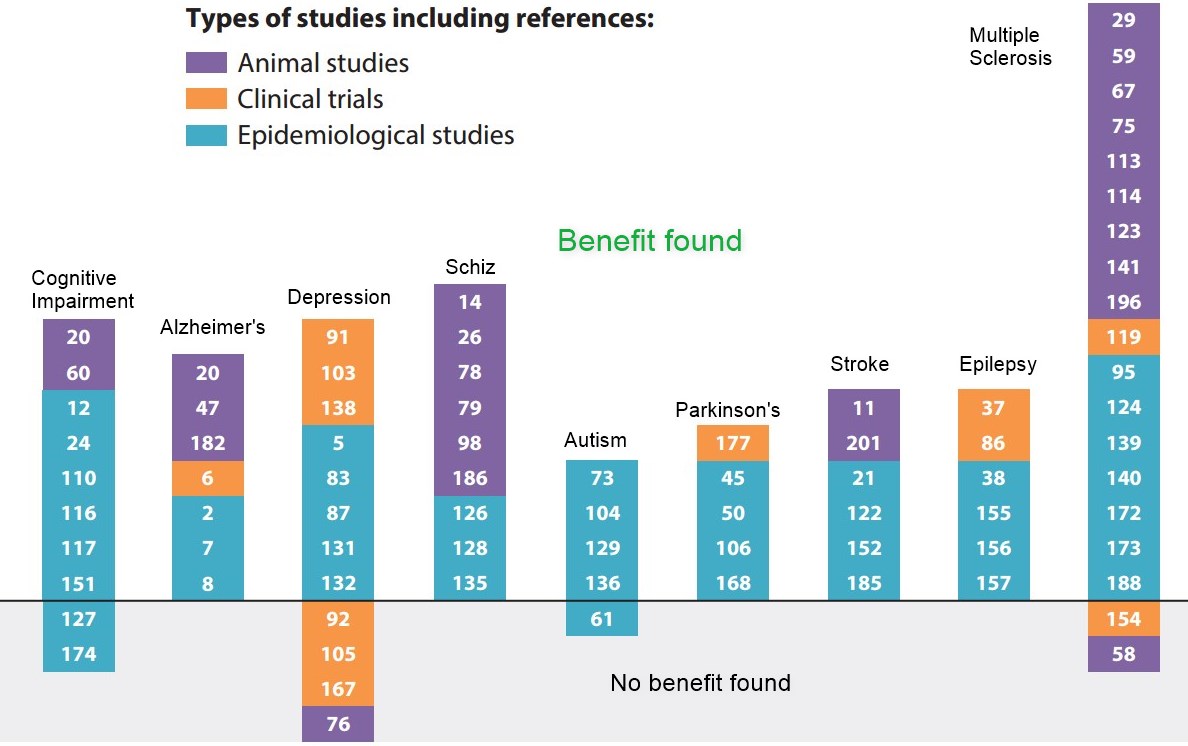
Vitamin D Life - Brain and Vitamin D - many studies
Vitamin D Life - How Vitamin D fights Alzheimer’s, Parkinson’s, Multiple Sclerosis and Epilepsy – June 2023
Vitamin D Life - Variety of evidence that Vitamin D helps the brain – July 2014 chart