
Microplastics increasing asthma, COPD, lung cancer etc. Dec 2025
Inhaled Microplastics and Lung Health: Immunopathological Effects and Disease Implications
Food Bioscience Dec 2025, 108036 ttps://doi.org/10.1016/j.fbio.2025.108036
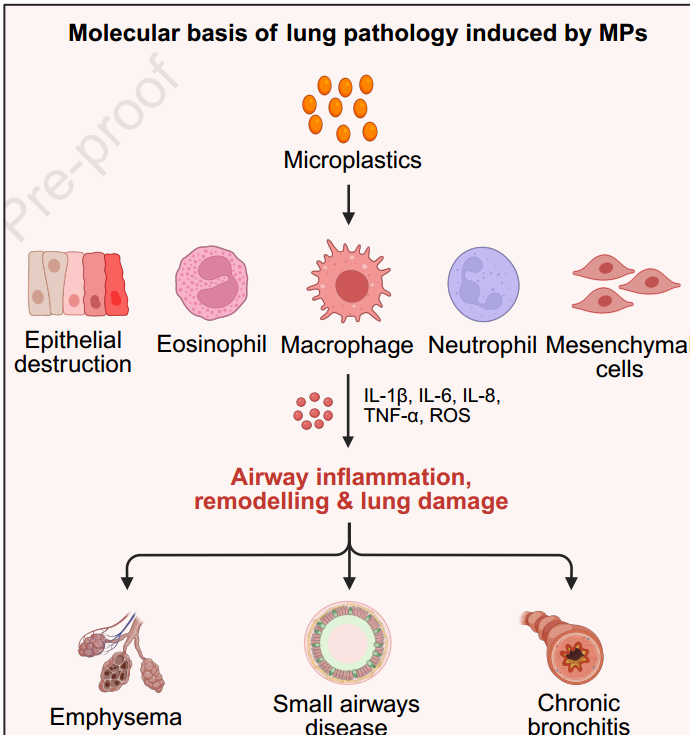 Microplastics (MPs) are pervasive environmental pollutants that pose significant risks to respiratory health, contributing to numerous pulmonary diseases. MPs have been reported to interact with lung epithelial cells, triggering oxidative stress, inflammation, and cellular dysfunction.
Exposure to MPs causes reactive oxygen species (ROS) production, depletes antioxidants, and disrupts mitochondrial function, resulting in cell damage, impaired tissue repair, and cellular senescence. Similarly, they dampened the signaling pathways to interfere with autophagy, ferroptosis, and exaggerate injury and epithelial-mesenchymal transition (EMT).
Additionally, MPs compromise immune responses by activating inflammatory pathways, weakening the lung's defenses, and increasing susceptibility to infections. Interaction with lung surfactants impairs their function and contributes to abnormal lung dynamics. Furthermore, MPs may serve as vectors for other toxic pollutants, amplifying their harmful effects.
In this review, we critically examined the molecular mechanisms through which MPs impact lung health, focusing on oxidative stress, inflammation, immune modulation, and epithelial cell dysfunction. We further highlighted progressive MPs aging and their dynamic interaction with respiratory surfactants, which subsequently enhances their reactivity and toxic potential. Collectively, we critically examine the impact of MPs on human lung health and highlight the urgent need for comprehensive therapeutic strategies to mitigate the potential risks associated with MP inhalation.
Related in Vitamin D Life
Note: More problems near ocean waves that put microplastics into the air